
Automating Instructional Design with AI Copilots
A practical workflow for leveraging LLMs to ship high-quality curricula in days.
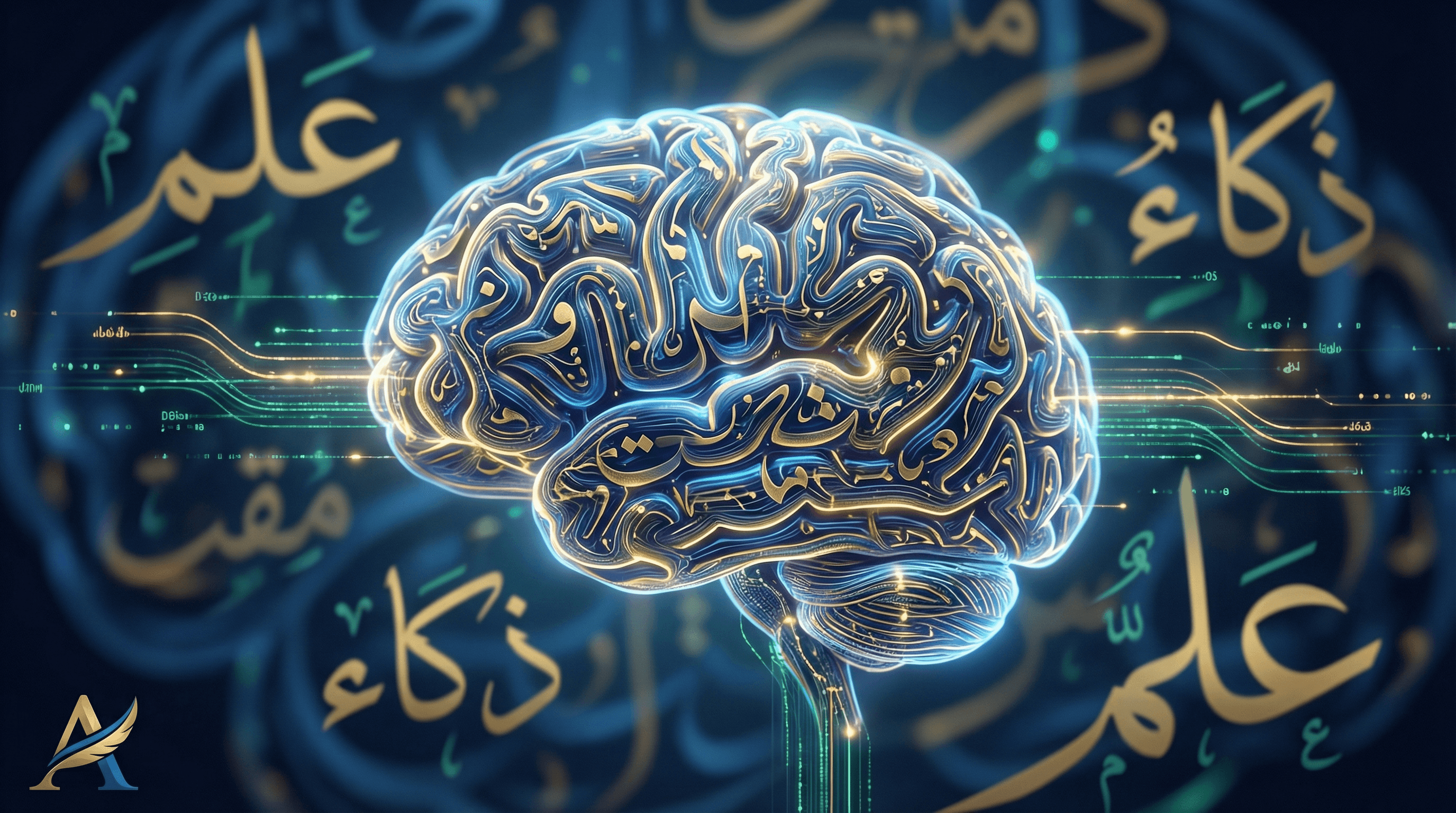
Artificial intelligence is changing how educational content is designed. In this article, we explore how Large Language Models (LLMs) can be used to accelerate the production of training content while maintaining quality.
Introduction: The AI Revolution in Education
In recent years, we have witnessed tremendous development in the field of artificial intelligence, especially in large language models such as GPT and Claude. These technologies not only change how we interact with technology, but also transform how educational content is designed and produced.
In the past, designing a complete educational curriculum required weeks or even months of work by a team of experts. Today, artificial intelligence can help significantly reduce this time while maintaining high quality, and even improving it in some cases.
Understanding Large Language Models (LLMs)
What are Large Language Models?
Large language models are artificial intelligence systems trained on massive amounts of textual data. These models are capable of:
- Understanding context and complex relationships between concepts
- Creating coherent and logical content
- Adapting to different patterns and styles
- Learning from feedback
Applications in Instructional Design
In the field of instructional design, LLMs can be used in:
- Content Creation: Writing educational texts, questions, and exercises
- Planning: Developing curriculum structure and learning objectives
- Assessment: Creating tests and assessment exercises
- Personalization: Adapting content to specific learner needs
Practical Methodology: Step by Step
Phase 1: Planning and Analysis
Before starting to use artificial intelligence, you must determine:
- Learning Objectives: What do we want learners to learn?
- Target Audience: Who are the learners and what are their backgrounds?
- Duration: How much time is available for the program?
- Standards: What standards must the content adhere to?
Phase 2: Using AI in Creation
After planning, LLMs can be used to create:
- Curriculum Structure: Request the model to create a comprehensive curriculum structure
- Educational Content: Create educational texts for each unit
- Activities: Develop interactive activities and exercises
- Supporting Materials: Create teacher guides, slides, and additional resources
Phase 3: Review and Improvement
After creating the initial content, you must:
- Review content by subject matter experts
- Verify accuracy and comprehensiveness
- Improve content based on feedback
- Test content with a sample of learners
Best Practices
Writing Effective Prompts
To achieve the best results from LLMs, you must write clear and detailed prompts:
- Specify the role required from the model
- Provide context and background
- Specify the required format
- Give examples when needed
Ensuring Quality
Despite the capabilities of LLMs, you must:
- Review all content by humans
- Verify facts and information
- Ensure compliance with educational standards
- Test content with actual learners
Challenges and Solutions
Common Challenges
- Accuracy: Models may contain inaccurate information
- Bias: Models may reflect biases present in training data
- Context: Models may not understand local or cultural context
Solutions
- Use multiple models and verify results
- Provide local and cultural context in prompts
- Rely on local experts for review
Conclusion
With the right tools and appropriate methodology, AI can be a powerful assistant in instructional design. AI does not replace human experts, but enhances their capabilities and enables them to produce high-quality educational content more quickly.
The key is to use AI as a partner in the process, not as a replacement. By combining the capabilities of AI with human expertise, we can revolutionize instructional design and improve the learning experience for learners around the world.