
Designing the Education Workforce for 2030
An in-depth look at hiring, upskilling, and retention priorities across the Saudi education sector.
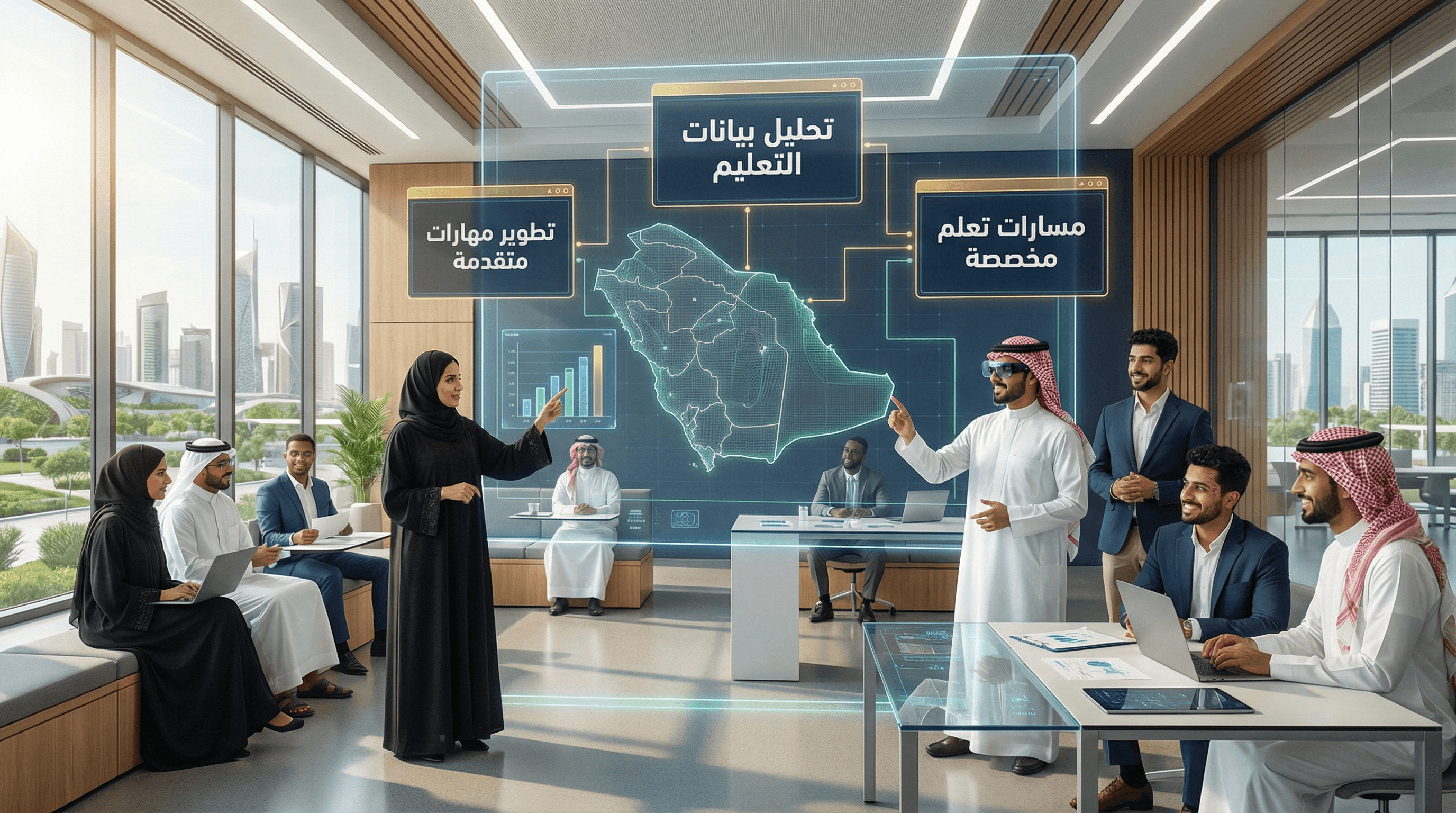
As 2030 approaches, the education sector in the Kingdom needs to rethink the education workforce. This article provides a comprehensive analysis of needs and challenges.
Introduction: Vision 2030 and Education
Saudi Arabia Vision 2030 is one of the most ambitious visions in the world. At the heart of this vision lies education as a fundamental pillar for building a knowledge society capable of competing globally. To achieve the goals of this vision, the entire education workforce must be redesigned.
This transformation is not just about hiring more teachers, but requires a complete reimagining of the role of teachers, educational leaders, and administrators in an era of technology and innovation.
Current Situation: Challenges and Opportunities
Main Challenges
The education sector in the Kingdom faces several major challenges:
- Shortage of Qualified Personnel: Need for qualified teachers and leaders in specialized fields
- New Technologies: Need for personnel capable of using modern educational technologies
- Languages: Need to improve English language skills in the education sector
- Talent Retention: Difficulty retaining outstanding teachers and leaders
Available Opportunities
Despite challenges, there are great opportunities:
- Government Investment: Strong government support for education
- Modern Technologies: Ability to use technologies to improve education
- International Partnerships: Opportunities for cooperation with global educational institutions
Future Hiring Needs
Priority Areas
The Kingdom needs to focus on hiring in the following areas:
- Digital Education: Teachers specialized in digital education and educational technologies
- Science and Technology: Teachers in STEM fields (Science, Technology, Engineering, Mathematics)
- Languages: Qualified English language teachers
- Educational Leadership: Educational leaders capable of leading transformation
Required Skills
In addition to academic qualifications, teachers and leaders need:
- Strong technical skills
- Ability to adapt to change
- Leadership and innovation skills
- Ability to work in diverse environments
Capacity Building Strategies
Training Programs
Comprehensive training programs must be developed including:
- Continuous Training: Ongoing training programs for current teachers
- Professional Development: Programs to develop professional skills
- Leadership: Programs to develop educational leaders
Partnerships and Exchange
Can benefit from:
- Partnerships with global universities
- Teacher exchange programs
- Leveraging international expertise
Talent Retention
Strategies
To ensure retention of outstanding teachers and leaders:
- Improve working conditions
- Provide professional development opportunities
- Offer financial and moral incentives
- Create a positive work environment
Future Strategies
Digital Transformation
Must focus on:
- Developing digital infrastructure
- Training teachers on digital tools
- Creating digital educational platforms
Innovation and Research
Encourage:
- Educational research
- Innovation in teaching methods
- Experimentation with new technologies
Conclusion
Investing in educational human capital is the key to the success of Vision 2030 in education. The Kingdom must:
- Invest in hiring and developing teachers and leaders
- Build strong capabilities in educational technologies
- Create an attractive environment for educational talent
- Continue development and improvement
Through these strategies, the Kingdom can build an education workforce capable of achieving Vision 2030 goals and leading educational transformation in the region.