
Impact Reporting Archetypes for National Education Programs
How ministries and networks can measure transformation through learner and leadership lenses.
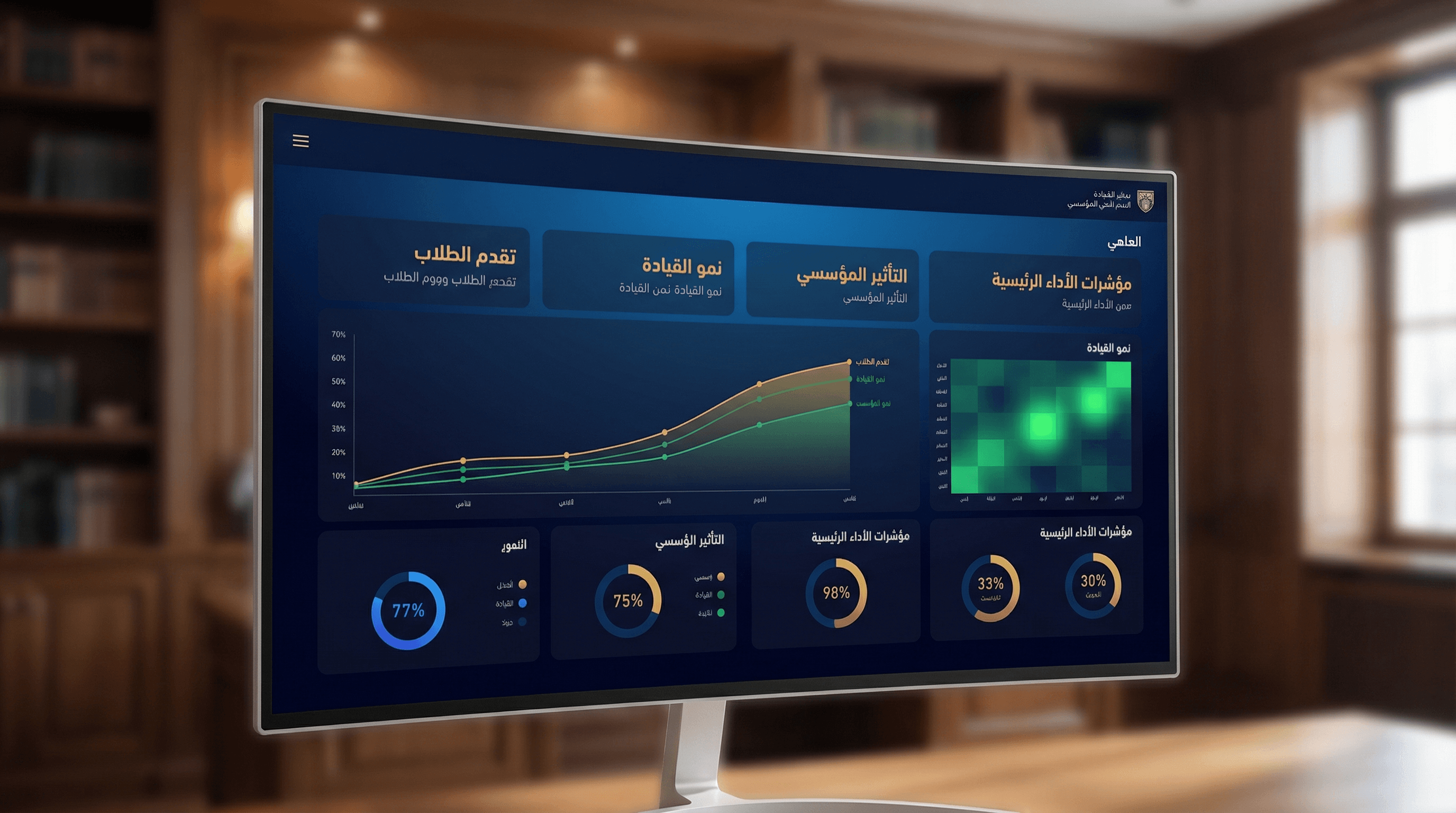
In the modern education world, measuring impact has become vital to ensure the success of educational programs. This article explores different impact measurement models and how to apply them in major educational programs.
Introduction: The Importance of Impact Measurement in Education
In an era of digital transformation and rapid educational developments, the need to measure the actual impact of educational programs has become more urgent than ever. It is not enough to simply implement educational programs; we must prove their value and impact on learners, educational institutions, and society as a whole.
Impact measurement in education is not just a statistical process, but a comprehensive methodology aimed at understanding how educational programs affect educational outcomes and how they can be improved to achieve maximum benefit. This article provides a comprehensive guide to different impact measurement models in major educational programs.
Types of Impact Measurement Models
1. Learner-Centric Impact Measurement Model
This model focuses on measuring changes that occur in learners lives as a result of educational programs. This model includes several key indicators:
- Academic Achievement: Measuring improvement in grades and academic results
- Practical Skills: Assessing the acquisition of practical and applied skills
- Personal Development: Measuring development in personal and social skills
- Satisfaction and Engagement: Evaluating learners satisfaction and engagement in the educational process
To implement this model effectively, a variety of measurement tools must be used, including pre and post tests, questionnaires, interviews, and performance observations.
2. Leadership-Centric Impact Measurement Model
This model focuses on the impact of educational programs on educational institutions and leadership. It includes measuring:
- Process Improvement: Measuring improvement in educational and administrative processes
- Capacity Building: Assessing the development of teachers and administrators capabilities
- Institutional Sustainability: Measuring the institution s ability to continue applying new practices
- Organizational Impact: Evaluating changes in organizational culture and structure
3. Integrated Impact Measurement Model
This model combines the learner perspective and the leadership perspective to paint a comprehensive picture of the impact of educational programs. It includes:
- Quantitative Data: Statistics and numbers showing improvement
- Qualitative Data: Stories and personal experiences that illustrate impact
- Longitudinal Analysis: Tracking changes over a long period of time
- Benchmarking: Comparing results with industry standards
Tools and Techniques for Impact Measurement
Interactive Dashboards
Interactive dashboards are among the most important modern tools for impact measurement. These dashboards allow:
- Displaying data in real-time
- Tracking key performance indicators
- Conducting advanced data analytics
- Creating automatic reports
Advanced Data Analysis
Advanced data analysis techniques can be used such as:
- Artificial intelligence and machine learning to predict outcomes
- Big data analysis to identify patterns and trends
- Machine learning to improve educational programs
Challenges and Solutions
Common Challenges
- Data Collection: Difficulty collecting accurate and reliable data
- Analysis: Complexity of analyzing multiple data
- Time and Resources: Need for significant time and resources to measure impact
Proposed Solutions
- Using technology to automate data collection
- Training teams on impact measurement techniques
- Creating partnerships with research institutions
Conclusion and Recommendations
Effective impact measurement requires an integrated approach that combines quantitative and qualitative data to paint a comprehensive picture of educational program impact. Educational institutions must:
- Adopt multi-dimensional impact measurement models
- Use modern technology in data collection and analysis
- Build an impact measurement culture within the institution
- Continuously improve and develop measurement methods
By applying these models and tools, educational institutions can ensure maximum benefit from their educational programs and prove their value to investors and stakeholders.